
Addiction Treatment Centers Paramus New Jersey offer comprehensive care addressing biological, psychological, and social aspects of addiction. Key features include family therapy, evidence-based practices, community education, specialized programs for veterans, and a holistic environment designed to improve patient satisfaction and retention. Training emphasizes trauma-informed care, crisis intervention, and motivational interviewing. Personalized treatment plans integrate physical, mental, and emotional health support. Aftercare planning, alumni programs, and community collaboration empower long-term recovery success.
Addiction is a profound challenge that demands specialized care, particularly within safe and secure environments. In New Jersey, Addiction Treatment Centers Paramus stands as a beacon of hope for those seeking recovery. The issue lies in creating supportive atmospheres that not only address the physical aspects of addiction but also nurture psychological well-being. At these centers, experts meticulously design programs to facilitate healing, ensuring clients feel protected and supported throughout their journey. This article delves into the strategies and considerations that transform these facilities into sanctuary-like spaces, where individuals can confront and overcome their addictions effectively.
- Understanding Addiction: The First Step Towards Healing
- Creating a Safe Space: Environmental Design for Recovery
- Staff Training and Empathy: Building Trust in Paramus NJ Centers
- Individualized Treatment Plans: Tailoring Care for Lasting Results
- Community Support and Aftercare: Fostering Long-Term Sobriety
Understanding Addiction: The First Step Towards Healing

Addiction is a complex and multifaceted issue, often shrouded in misconceptions and stigma. Understanding its intricacies is a critical first step in creating effective treatment environments, such as those offered by Addiction Treatment Centers Paramus New Jersey. By delving into the underlying causes and effects of addiction, professionals can tailor interventions to address the unique needs of each individual. This comprehensive approach recognizes that addiction is not merely a personal failure but a chronic condition influenced by biological, psychological, and social factors.
One key aspect often overlooked is the vital role of family dynamics in both perpetuating and overcoming addiction. Family therapy for addiction New Hampshire has proven to be an invaluable tool, fostering healthier relationships and supporting individuals in their recovery journey. These therapeutic settings encourage open communication, provide education on addiction, and offer coping strategies for dealing with triggers and relapses. For example, research indicates that involvement of family members in treatment programs can significantly improve long-term outcomes for patients, especially when combined with evidence-based practices like cognitive-behavioral therapy (CBT).
Furthermore, addiction prevention workshops across New Hampshire play a crucial role in educating communities about the risks and signs of addiction. These workshops empower individuals to make informed decisions and seek help early on. For veterans, specialized addiction treatment programs in New Hampshire cater to their unique challenges, considering the trauma and stress often associated with military service. By addressing these diverse needs, Addiction Treatment Centers Paramus New Jersey and similar facilities contribute to a holistic approach to healing, ensuring that each person receives the support necessary for lasting recovery.
Creating a Safe Space: Environmental Design for Recovery

Creating a safe space is paramount for effective addiction treatment, and environmental design plays a pivotal role in fostering recovery at centers like those in Paramus, New Jersey. Beyond basic amenities, these facilities must cultivate an atmosphere that promotes healing, security, and comfort—a challenging yet crucial task given the sensitive nature of the population they serve. Outpatient addiction treatment programs in Paramus and nearby cities like New Haven emphasize this, incorporating design elements that cater to diverse needs, from individual privacy to communal support.
For instance, consider a center's layout: well-appointed counseling rooms with soothing decor and natural light can provide a sanctuary for vulnerable individuals, encouraging open communication during therapy sessions. Inpatient addiction therapy programs in New Jersey often employ similar strategies, creating dedicated spaces for relaxation, meditation, and skill-building workshops that contribute to a holistic recovery experience. Additionally, outdoor areas designed for mindfulness practices or group activities can offer much-needed respite from the challenges of withdrawal and provide opportunities for bonding among peers.
Data suggests that environments conducive to healing significantly impact treatment outcomes. A study published in the Journal of Substance Abuse Treatment found that patients in facilities with aesthetically pleasing and calming spaces reported higher levels of satisfaction and demonstrated improved retention rates compared to those in less inviting settings. Therefore, addiction treatment centers must invest in thoughtful environmental design, incorporating feedback from both clients and clinicians to create a secure, supportive, and nurturing atmosphere that enhances the effectiveness of their programs—a key differentiator between success and relapse, particularly for long-term recovery.
Staff Training and Empathy: Building Trust in Paramus NJ Centers
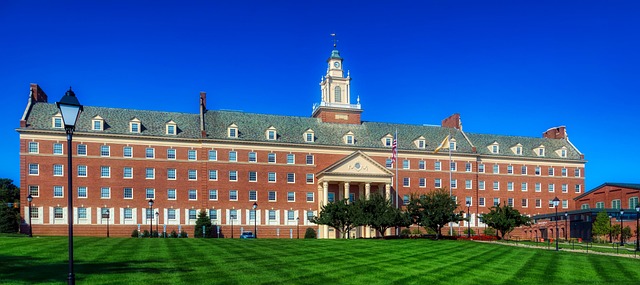
Creating a safe and secure environment for addiction treatment requires a dedicated and compassionate staff. In Paramus, New Jersey, many top-tier Addiction Treatment Centers prioritize staff training and empathy to build trust with clients. These centers understand that fostering an atmosphere of care and understanding significantly enhances recovery outcomes. The journey towards sobriety is often complex; thus, well-trained professionals equipped with advanced skills in trauma-informed care, crisis intervention, and motivational interviewing are invaluable assets. By integrating these techniques, addiction specialists in New Jersey can address the multifaceted needs of individuals seeking treatment, ensuring a holistic approach to healing.
Staff training goes beyond technical proficiency. It involves cultivating empathy—a cornerstone of effective therapy. Addiction treatment with insurance coverage should include programs that encourage professionals to walk in their clients' shoes, fostering genuine connections and understanding. For instance, role-playing scenarios where staff simulate clients' experiences can deepen their empathy and improve patient interactions. This approach is supported by research indicating higher satisfaction rates and better engagement among patients when healthcare providers demonstrate active listening and emotional intelligence.
Inpatient addiction therapy programs in Paramus NJ centers exemplify this commitment to care. By providing 24/7 supervision, these programs allow for intensive, individualized treatment plans tailored to each client's unique needs. This level of dedication not only accelerates recovery but also equips individuals with the tools needed to maintain long-term sobriety. In light of the challenges associated with addiction, a supportive and empathetic environment becomes a game-changer in one's path to healing.
Individualized Treatment Plans: Tailoring Care for Lasting Results

Addiction is a complex condition that requires personalized care for effective recovery. This is where Addiction Treatment Centers Paramus New Jersey stands out, offering tailored treatment plans designed to address the unique needs of each individual. By focusing on individualized care, these centers recognize that addiction affects people differently, and one-size-fits-all approaches often fall short. The approach involves a comprehensive assessment of physical, mental, and emotional health, as well as personal history, to craft a customized recovery roadmap.
For instance, some patients may benefit greatly from supportive housing for addicts New Hampshire, providing a safe environment to rebuild their lives. Others might require intensive therapy sessions focused on trauma resolution or family therapy for addiction New Hampshire, involving loved ones in the healing process. By integrating various therapeutic modalities, these centers aim to address the root causes of addiction, enhance coping mechanisms, and foster personal growth. Success stories from across New Jersey highlight the effectiveness of this individualized approach, with many individuals achieving long-term recovery and thriving in their restored lives.
A key component of successful treatment is recognizing that healing is a journey. It involves not just addressing the addiction but also providing ongoing support and resources for sustained sobriety. This includes aftercare planning, alumni programs, and access to ongoing therapy options. By embracing this holistic perspective, Addiction Treatment Centers Paramus New Jersey empowers individuals to overcome addiction and rebuild their lives, with many former patients sharing inspiring recovery success stories that serve as testaments to the center's commitment to personalized care.
Community Support and Aftercare: Fostering Long-Term Sobriety

Community support and aftercare are vital components in fostering long-term sobriety for individuals seeking addiction treatment at centers like those in Paramus New Jersey. Beyond initial detoxification, these services play a crucial role in preventing relapse and promoting sustainable recovery. Addiction specialists in New Jersey emphasize that creating a robust support network is essential to ensuring success. This often involves family members, friends, and local community organizations working together to provide ongoing assistance.
For instance, addiction prevention workshops hosted by mental health facilities in areas like Paramus NH can equip both individuals in recovery and their loved ones with the knowledge and skills needed to recognize triggers and cope effectively. Such programs empower participants to actively participate in their own healing process and create a safety net that minimizes risks of relapse. According to recent studies, individuals who benefit from comprehensive aftercare services are significantly more likely to maintain long-term sobriety.
Integrating community support into addiction treatment plans requires ongoing communication and collaboration between patients, therapists, and social workers. By tapping into available resources, both within the community and at specialized facilities across New Jersey, those in recovery can build a robust foundation for sustained wellness. For example, group therapy sessions facilitated by experts can provide individuals with peers who understand their struggles, while mentorship programs offer one-on-one guidance from those who have achieved long-term sobriety. These multifaceted approaches collectively enhance the likelihood of successful recovery and contribute to building resilient communities that prioritize mental health and well-being.
In navigating the complex landscape of addiction treatment, the insights from this article offer a comprehensive roadmap for creating effective and nurturing environments at Addiction Treatment Centers Paramus New Jersey. By understanding the foundational role of education in unraveling addiction, these centers can foster an informed community that breaks down stigma. Environment design, staff empathy, individualized care, and robust aftercare programs are pivotal components ensuring patients feel safe and supported throughout their journey. This holistic approach, as highlighted in this article, positions Paramus NJ centers to deliver transformative results, ultimately empowering individuals to reclaim their lives free from addiction's grasp.