Returning veterans face higher addiction rates due to military trauma and transition challenges. Addiction Treatment Centers Paramus New Jersey offers specialized services tailored to veteran needs, including family therapy, holistic care, and community support. These centers address co-occurring disorders like PTSD, reduce relapse rates, and foster long-term recovery through evidence-based programs and mentorship.
In the United States, veterans face unique challenges upon returning home, with addiction being a significant concern. The transition from military to civilian life can be arduous, exacerbating pre-existing mental health issues and leading many veterans to turn to substances for coping. Given the high rates of post-traumatic stress disorder (PTSD) and substance abuse among veterans, specialized treatment programs are imperative. Addiction Treatment Centers Paramus New Jersey offers a comprehensive approach tailored to meet the complex needs of military veterans, focusing on evidence-based therapies and holistic support to facilitate recovery and reintegration into civilian life.
Understanding Veteran's Unique Needs for Healing

Veterans returning from service face unique challenges when it comes to healing and recovery, particularly regarding addiction treatment. The transition from military to civilian life can be complex, and many veterans struggle with issues such as post-traumatic stress disorder (PTSD), depression, and substance abuse. Understanding these veteran-specific needs is paramount in developing effective strategies for their rehabilitation. Addiction Treatment Centers Paramus New Jersey, for instance, has recognized these challenges and tailored its services to address the complex web of issues faced by returning service members.
One of the key aspects to consider is the impact of military experiences on mental health. Veterans often witness traumatic events and engage in high-stress situations during their service, which can lead to long-term psychological effects. These experiences may contribute to the development or exacerbation of addiction as a coping mechanism. For instance, research indicates that veterans have higher rates of opioid addiction compared to the general population, partly due to increased exposure to
prescription painkillers during active duty. Consequently, rehab centers specializing in opiates, such as those found in New Hampshire, are vital resources for addressing this growing concern.
Family therapy for addiction in New Hampton, NH, is another critical component of comprehensive veteran care. Military service often disrupts family dynamics, and many veterans carry the burden of unaddressed issues at home. Incorporating family members into the treatment process can foster a supportive environment, encourage accountability, and promote sustained recovery. For example, a study published in the Journal of Traumatic Stress found that family therapy significantly improved outcomes for veterans with PTSD and substance use disorders. This collaborative approach recognizes the interconnectedness of military service, addiction, and family life, offering a more holistic path to healing.
Accessing Specialized Addiction Treatment Centers Paramus New Jersey
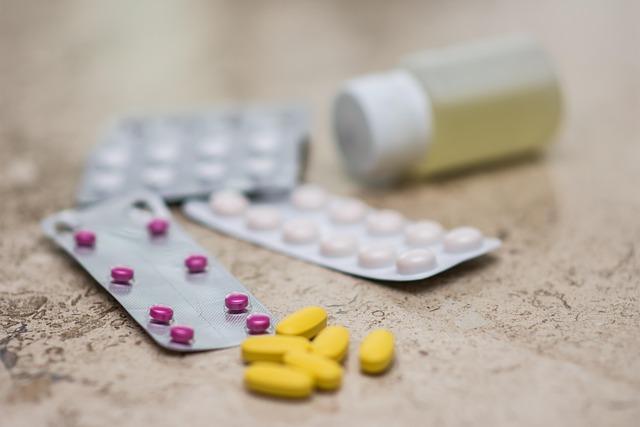
Many veterans returning from active duty face unique challenges related to mental health and addiction. Accessing specialized addiction treatment centers like those in Paramus, New Jersey, offers a crucial support system tailored to their specific needs. These centers are equipped to handle complex cases, particularly focusing on opiate addiction, which has reached epidemic proportions among veterans.
New Jersey's rehab centers specializing in opiates provide comprehensive care, including medical detox and evidence-based treatment models. Many of these facilities have dedicated programs for veterans suffering from co-occurring disorders—a common issue within this demographic. For instance, a veteran struggling with both PTSD and substance abuse can receive integrated treatment addressing both conditions simultaneously, enhancing the effectiveness of recovery. National data indicates that veterans are more likely to respond positively to specialized treatment, highlighting the importance of these targeted programs.
The process of finding the right addiction treatment center in Paramus or elsewhere in New Jersey should be approached with careful consideration. Veterans and their families can begin by researching centers that offer specialized programs for opiate addiction and co-occurring disorders. It's essential to evaluate each facility's credentials, staff expertise, and treatment methodologies. Additionally, understanding insurance coverage and available support groups post-rehab can significantly impact a veteran's long-term recovery success. By choosing a center committed to addressing the unique challenges faced by veterans, individuals in need can access the specialized care they deserve.
Tailored Therapy Programs for Optimal Recovery

Veterans often face unique challenges on their path to recovery, particularly when dealing with addiction. This is where specialized therapy programs step in as a crucial component of comprehensive care. Addiction Treatment Centers Paramus New Jersey offers tailored approaches, recognizing that each veteran's journey is distinct. The focus is on providing effective support for both the physical and psychological aspects of healing.
One of the key strengths lies in their ability to integrate various therapeutic modalities. These include individual counseling, group therapy sessions, and peer support groups—all designed to address the specific needs of veterans. For instance, addiction support groups near Concord can facilitate a sense of community, fostering connections among peers with shared experiences. Inpatient drug rehab near Paramus often includes structured programs that combine medical detox, behavioral therapies, and aftercare planning. This holistic approach ensures that veterans receive intensive care while also teaching them essential coping strategies for long-term recovery.
Research highlights the effectiveness of these tailored programs. Studies indicate that veteran-specific addiction treatment models can significantly reduce relapse rates and improve overall outcomes. By catering to the unique cultural and psychological needs of veterans, centers like those in Paramus New Jersey offer a more engaging and impactful healing environment. This specialized care is not merely an option but a necessary step towards empowering veterans to overcome addiction and rebuild their lives.
Support Services Beyond Rehabilitation: Building Community

Veterans returning from service often face unique challenges, particularly when navigating addiction treatment. Beyond traditional rehabilitation programs, building a strong community support system is crucial for long-term recovery. This involves creating an environment that fosters connection, understanding, and accountability—essential elements in combating addiction. Addiction Treatment Centers Paramus New Jersey serves as a beacon of hope, offering specialized services tailored to address these complex needs.
One effective approach is through 12-step programs, such as those implemented at various centers across New Hampshire. These programs provide veterans with a structured framework for recovery, encouraging peer support and self-reflection. For instance, many centers host addiction prevention workshops in New Hampshire, targeting not just individuals but also their families and communities. These workshops educate attendees on the signs of addiction, prevention strategies, and available resources, fostering a proactive approach to wellness. Data suggests that community-based interventions significantly reduce relapse rates among veterans, underscoring the importance of these support services.
Building a supportive community requires collaboration between treatment centers, local organizations, and veteran service groups. By establishing partnerships, resources can be shared, and care can be coordinated more effectively. Veterans may also benefit from mentorship programs where peers who have successfully overcome addiction guide and support those in recovery. This holistic approach to addiction treatment ensures that veterans receive not just medical care but also the social and emotional support necessary for lasting transformation.
In addressing the unique healing needs of veterans, specialized Addiction Treatment Centers Paramus New Jersey offer tailored therapy programs that significantly enhance recovery outcomes. By recognizing the distinct challenges faced by veterans, these centers provide a comprehensive support system that goes beyond rehabilitation. The article has illuminated the importance of such specialized care, underscoring the value of building community and offering targeted services to meet the complex needs of this demographic. Key insights include the need for individualized treatment plans, access to supportive communities, and the recognition that healing is not solely an individual process but one deeply enriched by collective support. Moving forward, it's crucial for veterans and their families to explore these specialized Addiction Treatment Centers Paramus New Jersey as a vital step towards overcoming addiction and embracing lasting recovery.